

Care built from assessment, evidence, and your goal.
Hands-on care, progressive rehabilitation, and selected recovery technologies delivered by our chiropractic doctors and doctors of physical therapy. The diagnosis and goal determine the tools, not the other way around.
Choosing care
Start with the problem, not a treatment name
Pain in the same body region can come from a joint, muscle, tendon, nerve, bone, or referred source. That is why a good visit starts by understanding the onset, behavior, warning signs, and activity you need to regain. A menu of techniques cannot make that decision.
Chiropractic care and physical therapy provide the assessment and active plan. Soft-tissue techniques, taping, dry needling, radial pressure wave therapy, and light-based therapy may support that plan when there is a clear reason to use them. Each option should have a target and a way to judge whether it helped.
The service pages below explain what each treatment is, what a visit involves, and the questions worth asking before you book. They are educational and do not replace an individual examination.
Core care
2 therapiesThe two disciplines every plan is built on.

Hands-on soft tissue
4 therapiesManual options used for selected muscle, tendon, fascia, and movement findings.




Recovery technology
2 therapiesInstrument-based options used for selected tissues and goals when the examination supports them.


Movement support
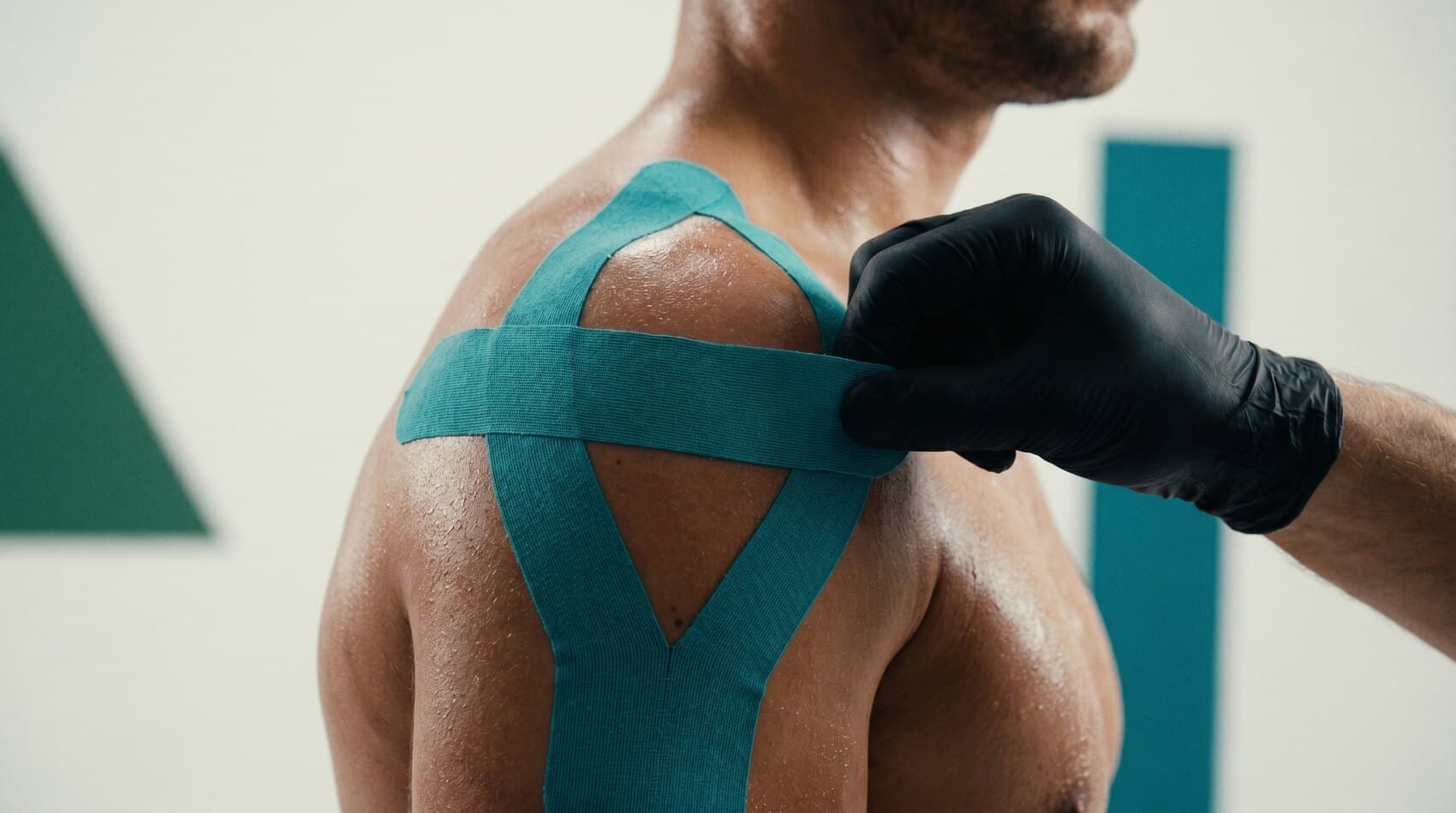
1 therapyTaping used for short-term feedback or comfort while active rehabilitation progresses.
Start with the discipline
Should chiropractic care or physical therapy lead?
The first booking decision is usually about the kind of assessment and rehabilitation you need, not the modality you saw in a video or heard about from a teammate.
Chiropractic care may be a useful starting point for a new musculoskeletal complaint when you want examination, joint and soft-tissue care, and an active plan in the same setting. The provider should screen neurologic function and warning signs, explain the working diagnosis, and connect any hands-on treatment to a movement or task that can be retested.
Physical therapy may be a useful starting point when the main need is progressive rehabilitation, postoperative recovery, balance or vestibular work, a structured return to sport, or a measurable strength and function program. Physical therapists also evaluate new problems and are required to refer when a condition is outside their scope or physical therapy is contraindicated.
The two disciplines overlap, and the title alone does not tell you what the visit will feel like. Provider training, the specific problem, your preference, and the goal matter. If you are unsure, describe the onset, body region, symptoms, location preference, and activity you want back when you contact the clinic. Scheduling staff can help choose an appointment type without asking you to select a treatment technique.
The clinical filter
What should happen before a supporting treatment is added?
ART, Graston, dry needling, cupping, tape, radial pressure wave therapy, and light-based therapy all need a clinical reason. Availability is not a diagnosis.
The history should establish timing, mechanism, symptom behavior, prior episodes, medical conditions, medication, and the tasks that are limited. The examination then selects tests that can separate likely tissue, joint, nerve, balance, or referred-pain patterns. A treatment decision made before those steps risks aiming at the sore location while missing the reason it is sore.
A supporting treatment should have a target and a comparison. Before using a tool, the provider can record a movement, strength measure, symptom response, or functional task. After treatment, the same marker is checked again. This does not prove a long-term effect, but it is more useful than assuming the intervention worked because the skin changed color or the tissue felt different under pressure.
Screening changes with the service, which is why your provider reviews it in the room rather than leaving it to a web page. Blood-thinning medication, pregnancy, skin condition, recent surgery, impaired sensation, cancer history, osteoporosis, infection, and major trauma can all affect the choice. Give the provider an accurate health and medication history before treatment begins.
A staged plan
How treatment changes from pain control to full activity
Care should look different as irritability, healing, confidence, and capacity change. Repeating an early-stage visit forever is not progression.
An early plan may protect an injured structure, reduce an aggravating load, maintain safe motion, and identify positions or activities that settle symptoms. Complete rest is not automatically required, and pushing through every symptom is not automatically brave. The provider should explain what can continue, what needs modification, and which change would require reassessment.
The middle stage often restores motion, strength, balance, tendon or joint loading, and tolerance for repeated daily tasks. Passive care can be reduced as the patient gains ways to manage symptoms and progress exercise independently. A home plan should be small enough to complete and specific enough that both patient and provider know whether the dose was manageable.
The later stage should resemble the destination. Running requires more than pain-free walking. Throwing requires progressive speed and volume. Work may require lifting under fatigue, prolonged position, or repeated reach. Return decisions are stronger when they use criteria such as strength, movement quality, workload tolerance, and confidence rather than time alone.
Practical answers
Questions to resolve before the first visit
Can I book pressure wave, dry needling, or laser directly?
You can tell the clinic which service interests you, but a provider still needs to confirm it fits the diagnosis. The clinic may recommend an evaluation or another appointment type first.
Are all services available at both locations?
The practice presents its clinical toolkit across both locations, but provider schedules and specific service availability can vary. Confirm the service, clinician, and location when booking.
Does insurance cover every service listed here?
No coverage promise applies across all plans or services. Ask the clinic and insurer about network status, referral or authorization rules, deductibles, visit limits, and whether a modality is covered or self-pay.
Is a more painful treatment more effective?
No. Some treatments can be uncomfortable, but intensity is not proof of benefit. The dose should be tolerable, connected to a target, and adjusted when it causes an excessive or unhelpful response.
Can I receive hands-on care without exercise?
That depends on the diagnosis and goal, but hands-on care alone cannot rebuild lost strength, endurance, balance, or sport tolerance. The provider should explain the active part of the plan when capacity needs to change.
What if the first service does not help?
A lack of meaningful progress should trigger reassessment of the diagnosis, dose, treatment choice, adherence barriers, or need for medical referral. It should not automatically trigger more of the same service.
Should I stop all activity until the evaluation?
Not automatically. Some conditions benefit from modifying the provoking dose while safe movement continues, while fracture, serious neurologic findings, acute instability, or another warning sign may require protection or urgent care. Ask for condition-specific guidance when severity or safety is uncertain instead of applying a universal rest rule.
How should a treatment trial be documented?
Record the baseline task, the intervention and dose, the immediate response, and what happens later that day and by the next morning. The provider can then decide whether the change was meaningful, temporary, excessive, or unrelated. Documentation helps avoid continuing a service based only on memory or expectation. Include other major changes in medication, sleep, workload, or training that could explain the response. Bring the notes to the next appointment and ask how they change the current clinical care plan.

Not sure which one you need?
Book an assessment and let the history, examination, and your own preference guide the options.
Already a chiropractic patient? Schedule in the patient portal (opens in a new tab)
Portsmouth, NH · Seacoast
Alton, NH · Lakes Region